Unit 4 Frankfield Business Park, Ballycurreen, Cork, T12 VF7V, Ireland
  solar@021.ie
Solar Panels vs Traditional Energy Sources. Which Is Right for You
Choosing between solar energy and traditional electricity sources represents one of the most significant energy decisions homeowners face today. With evolving technology, changing costs and environmental considerations, understanding the key differences helps ensure you make the optimal choice for your specific circumstances.

Why you can trust our content
We know that the solar industry is full of misinformation, but we only use reliable sources, including:



At a glance
Cost Comparison Over Time
Traditional energy sources offer predictable monthly bills but expose households to ongoing price volatility and inflation. Electricity rates have risen consistently over recent years, with further increases expected as infrastructure costs and environmental regulations impact utility pricing.
Solar installation requires substantial upfront investment but provides decades of reduced energy costs. After the initial payback period typically 6-10 years solar systems generate essentially free electricity for the remainder of their 25-30 year lifespan. This long-term perspective often reveals solar as the more economical choice.
Current SEAI grants of up to €1,800 can significantly reduce initial costs, improving solar’s competitive position against traditional energy sources. Professional system design maximises output and efficiency, ensuring optimal return on investment.
Reliability and Energy Security
Traditional energy sources provides a consistent power supply backed by established grid infrastructure. However, this system exposes consumers to supply disruptions, maintenance outages and geopolitical factors affecting energy prices.
Solar systems with battery storage offer increased energy independence and security. Modern battery technology allows homeowners to store excess solar production for evening use or power outages. GoodWe and Sigenergy battery systems provide reliable backup power whilst reducing reliance on grid electricity.
Grid-tied solar systems without batteries still provide substantial benefits, feeding excess production back to the grid whilst drawing power when needed. This arrangement maintains reliability whilst reducing overall energy costs.
Environmental Impact Considerations
Traditional electricity generation in Ireland involves substantial fossil fuel usage, contributing to carbon emissions and environmental degradation. Even with increasing renewable sources in the national grid, most electricity still carries environmental costs.
Solar installations produce clean, renewable energy with minimal environmental impact during operation. Quality solar panels like DAH Solar continue producing clean electricity for decades, offsetting their manufacturing carbon footprint within 2-3 years of operation.
For environmentally conscious homeowners, solar provides a tangible contribution to reducing personal carbon footprint whilst supporting Ireland’s renewable energy transition goals.
Maintenance and Long-term Commitments
Traditional energy sources require no homeowner maintenance but offer no asset value or ownership benefits. Monthly payments continue indefinitely without building equity or reducing long-term costs.
Solar systems require minimal maintenance-primarily occasional cleaning and monitoring – but represent valuable property assets. Professional installations with 30-year workmanship warranties ensure long-term reliability and performance. Quality components with extended warranties minimise potential maintenance concerns.

What type of property do you have?

Detached House

Semi Detached House

Terraced House

Flat or Apartment
Bungalow
It just takes 60 seconds
And then you can book a free consultation
Flexibility and Future Adaptability
Traditional energy systems offer little flexibility for homeowners seeking greater control over energy costs or sources. Utility rate structures and supply options remain largely beyond consumer influence.
Solar systems provide significant flexibility for future expansion and adaptation. Well-designed systems accommodate battery additions, EV chargers, heat pumps and additional panels as needs evolve. This adaptability protects investments whilst supporting changing lifestyle requirements.
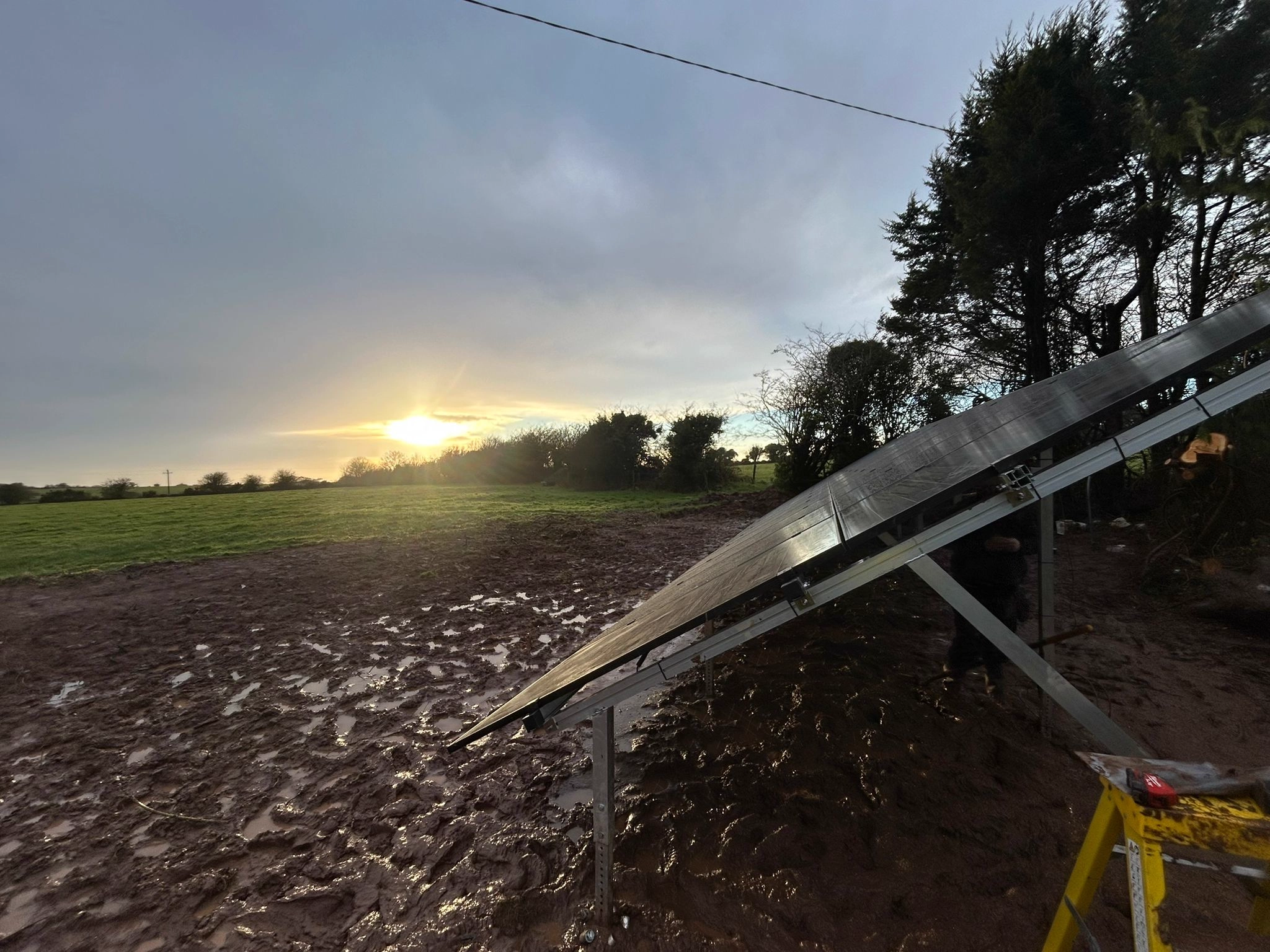
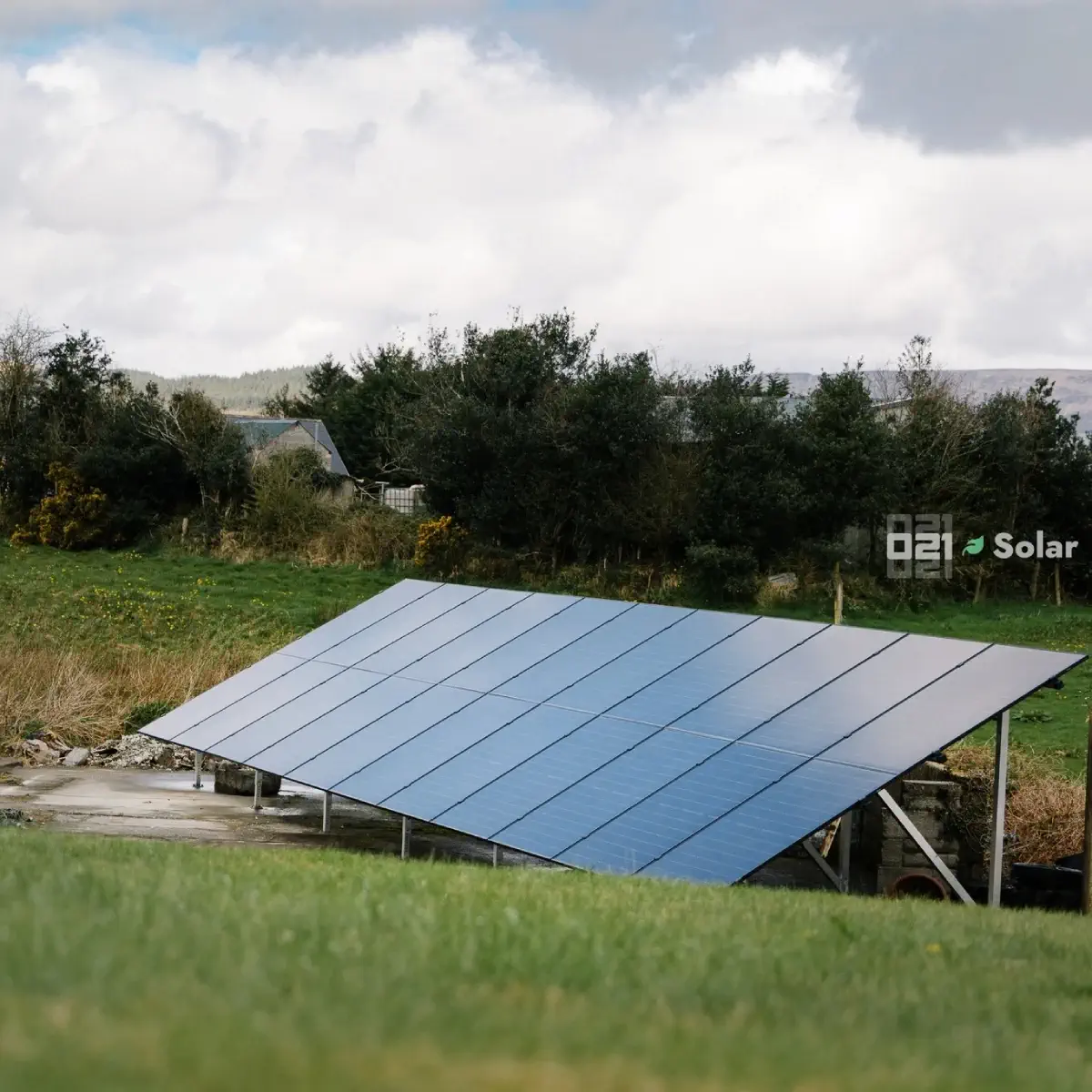
Ground-mounted systems offer particular advantages for properties requiring flexible installation options or planning future modifications.
Geographic and Property Considerations
Traditional energy sources work universally regardless of property characteristics, roof condition, or orientation. This universal applicability suits properties where solar installation might be challenging or suboptimal.
Solar suitability depends on specific property factors including roof space, orientation, shading and structural integrity. However, modern system design and installation techniques accommodate most properties across areas like Douglas, Carrigaline, Ballincollig, Glanmire and Mallow.
Professional assessment determines solar viability whilst identifying any necessary preparatory work to ensure optimal installation conditions.
Making the Right Choice for Your Situation
Several factors should guide your decision between solar and traditional energy sources:
• Financial timeline: Solar benefits long-term property owners, whilst traditional sources suit shorter-term residents
• Risk tolerance: Solar requires upfront investment for long-term savings, whilst traditional sources offer predictable monthly costs
• Environmental priorities: Solar provides immediate environmental benefits, whilst traditional sources maintain status quo
• Property characteristics: Solar suitability varies by property, whilst traditional sources work universally
Final Thoughts
The choice between solar panels and traditional energy sources ultimately depends on individual circumstances, priorities and long-term plans. Solar offers compelling advantages for homeowners seeking energy independence, environmental benefits and long-term cost savings, whilst traditional sources provide simplicity and universal applicability.
Professional consultation helps evaluate your specific situation and determine the optimal energy solution for your needs.
Ready to explore your energy options? Our experts provide custom-designed systems using premium DAH Solar panels and GoodWe inverters across Douglas, Carrigaline, Ballincollig, Glanmire and Mallow. We handle complete end-to-end solutions from initial assessment through grid connection, backed by 30-year workmanship warranties for complete peace of mind.
Related Articles
What type of property do you have?
Detached House
Semi Detached House
Terraced House
Flat or Apartment
Bungalow
At a glance
Cost Comparison Over Time
Traditional energy sources offer predictable monthly bills but expose households to ongoing price volatility and inflation. Electricity rates have risen consistently over recent years, with further increases expected as infrastructure costs and environmental regulations impact utility pricing.
Solar installation requires substantial upfront investment but provides decades of reduced energy costs. After the initial payback period typically 6-10 years solar systems generate essentially free electricity for the remainder of their 25-30 year lifespan. This long-term perspective often reveals solar as the more economical choice.
Current SEAI grants of up to €1,800 can significantly reduce initial costs, improving solar’s competitive position against traditional energy sources. Professional system design maximises output and efficiency, ensuring optimal return on investment.
Reliability and Energy Security
Traditional energy sources provides a consistent power supply backed by established grid infrastructure. However, this system exposes consumers to supply disruptions, maintenance outages and geopolitical factors affecting energy prices.
Solar systems with battery storage offer increased energy independence and security. Modern battery technology allows homeowners to store excess solar production for evening use or power outages. GoodWe and Sigenergy battery systems provide reliable backup power whilst reducing reliance on grid electricity.
Grid-tied solar systems without batteries still provide substantial benefits, feeding excess production back to the grid whilst drawing power when needed. This arrangement maintains reliability whilst reducing overall energy costs.
Environmental Impact Considerations
Traditional electricity generation in Ireland involves substantial fossil fuel usage, contributing to carbon emissions and environmental degradation. Even with increasing renewable sources in the national grid, most electricity still carries environmental costs.
Solar installations produce clean, renewable energy with minimal environmental impact during operation. Quality solar panels like DAH Solar continue producing clean electricity for decades, offsetting their manufacturing carbon footprint within 2-3 years of operation.
For environmentally conscious homeowners, solar provides a tangible contribution to reducing personal carbon footprint whilst supporting Ireland’s renewable energy transition goals.
Maintenance and Long-term Commitments
Traditional energy sources require no homeowner maintenance but offer no asset value or ownership benefits. Monthly payments continue indefinitely without building equity or reducing long-term costs.
Solar systems require minimal maintenance-primarily occasional cleaning and monitoring – but represent valuable property assets. Professional installations with 30-year workmanship warranties ensure long-term reliability and performance. Quality components with extended warranties minimise potential maintenance concerns.
What type of property do you have?
Detached House
Semi Detached House
Terraced House
Flat or Apartment
Bungalow
It just takes 60 seconds
And then you can book a free consultation
Flexibility and Future Adaptability
Traditional energy systems offer little flexibility for homeowners seeking greater control over energy costs or sources. Utility rate structures and supply options remain largely beyond consumer influence.
Solar systems provide significant flexibility for future expansion and adaptation. Well-designed systems accommodate battery additions, EV chargers, heat pumps and additional panels as needs evolve. This adaptability protects investments whilst supporting changing lifestyle requirements.
Ground-mounted systems offer particular advantages for properties requiring flexible installation options or planning future modifications.
Geographic and Property Considerations
Traditional energy sources work universally regardless of property characteristics, roof condition, or orientation. This universal applicability suits properties where solar installation might be challenging or suboptimal.
Solar suitability depends on specific property factors including roof space, orientation, shading and structural integrity. However, modern system design and installation techniques accommodate most properties across areas like Douglas, Carrigaline, Ballincollig, Glanmire and Mallow.
Professional assessment determines solar viability whilst identifying any necessary preparatory work to ensure optimal installation conditions.
Making the Right Choice for Your Situation
Several factors should guide your decision between solar and traditional energy sources:
• Financial timeline: Solar benefits long-term property owners, whilst traditional sources suit shorter-term residents
• Risk tolerance: Solar requires upfront investment for long-term savings, whilst traditional sources offer predictable monthly costs
• Environmental priorities: Solar provides immediate environmental benefits, whilst traditional sources maintain status quo
• Property characteristics: Solar suitability varies by property, whilst traditional sources work universally
Final Thoughts
The choice between solar panels and traditional energy sources ultimately depends on individual circumstances, priorities and long-term plans. Solar offers compelling advantages for homeowners seeking energy independence, environmental benefits and long-term cost savings, whilst traditional sources provide simplicity and universal applicability.
Professional consultation helps evaluate your specific situation and determine the optimal energy solution for your needs.
Ready to explore your energy options? Our experts provide custom-designed systems using premium DAH Solar panels and GoodWe inverters across Douglas, Carrigaline, Ballincollig, Glanmire and Mallow. We handle complete end-to-end solutions from initial assessment through grid connection, backed by 30-year workmanship warranties for complete peace of mind.
Related Articles
What type of property do you have?
Detached House
Semi Detached House
Terraced House
Flat or Apartment
Bungalow