Unit 4 Frankfield Business Park, Ballycurreen, Cork, T12 VF7V, Ireland
  solar@021.ie
Common Questions About Solar Panel Installation Answered
Solar panel installation raises numerous questions for homeowners considering this significant investment. Understanding the installation process, requirements, costs and long-term implications helps ensure informed decisions and realistic expectations about solar energy adoption.

Why you can trust our content
We know that the solar industry is full of misinformation, but we only use reliable sources, including:



At a glance
Planning and Assessment Questions
How do I know if my property is suitable for solar panels?
Professional site assessment evaluates multiple factors determining solar suitability. Roof orientation, structural integrity, shading patterns and electrical infrastructure all influence system viability and performance. South-facing roofs with minimal shading provide optimal conditions, though east and west-facing installations can also perform well.
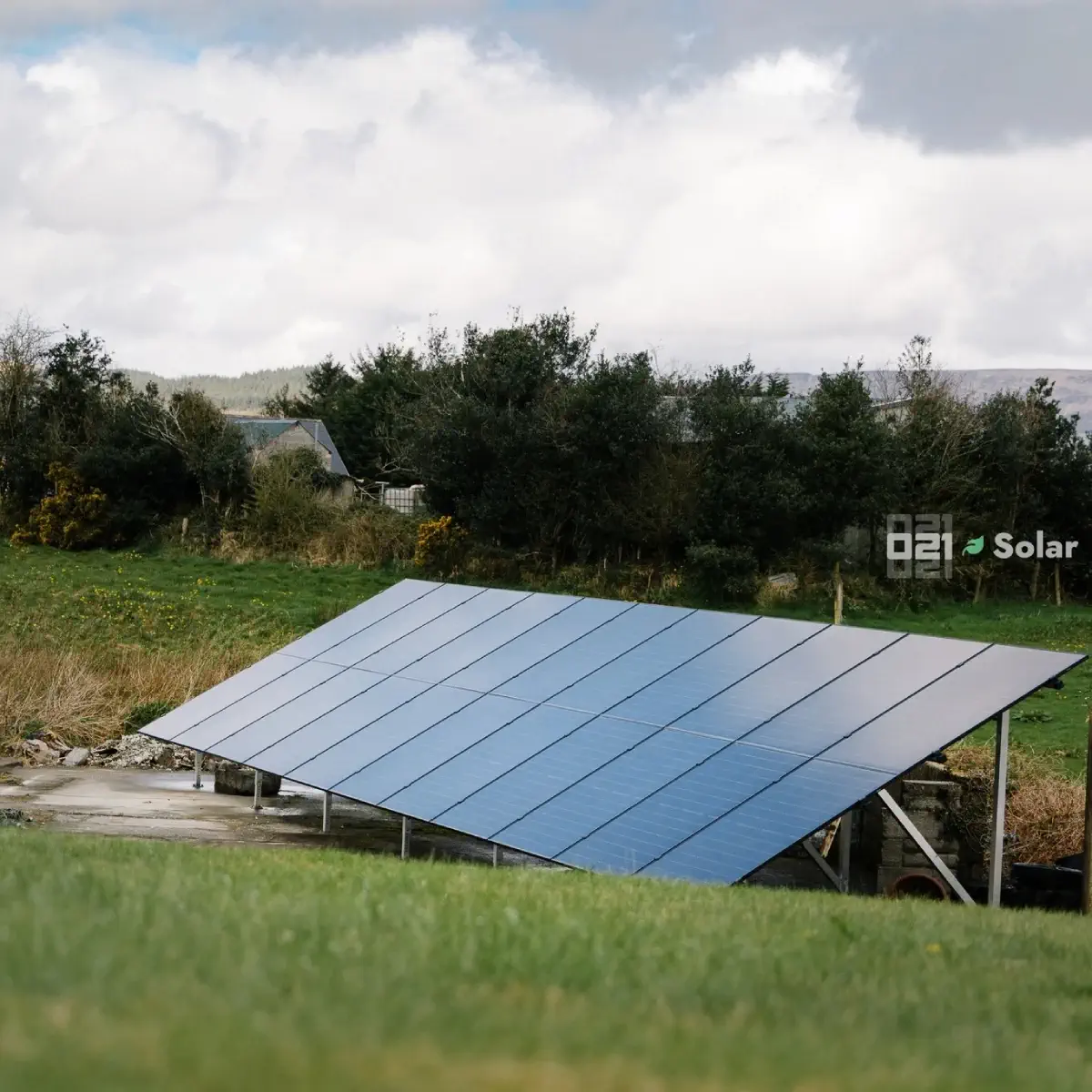
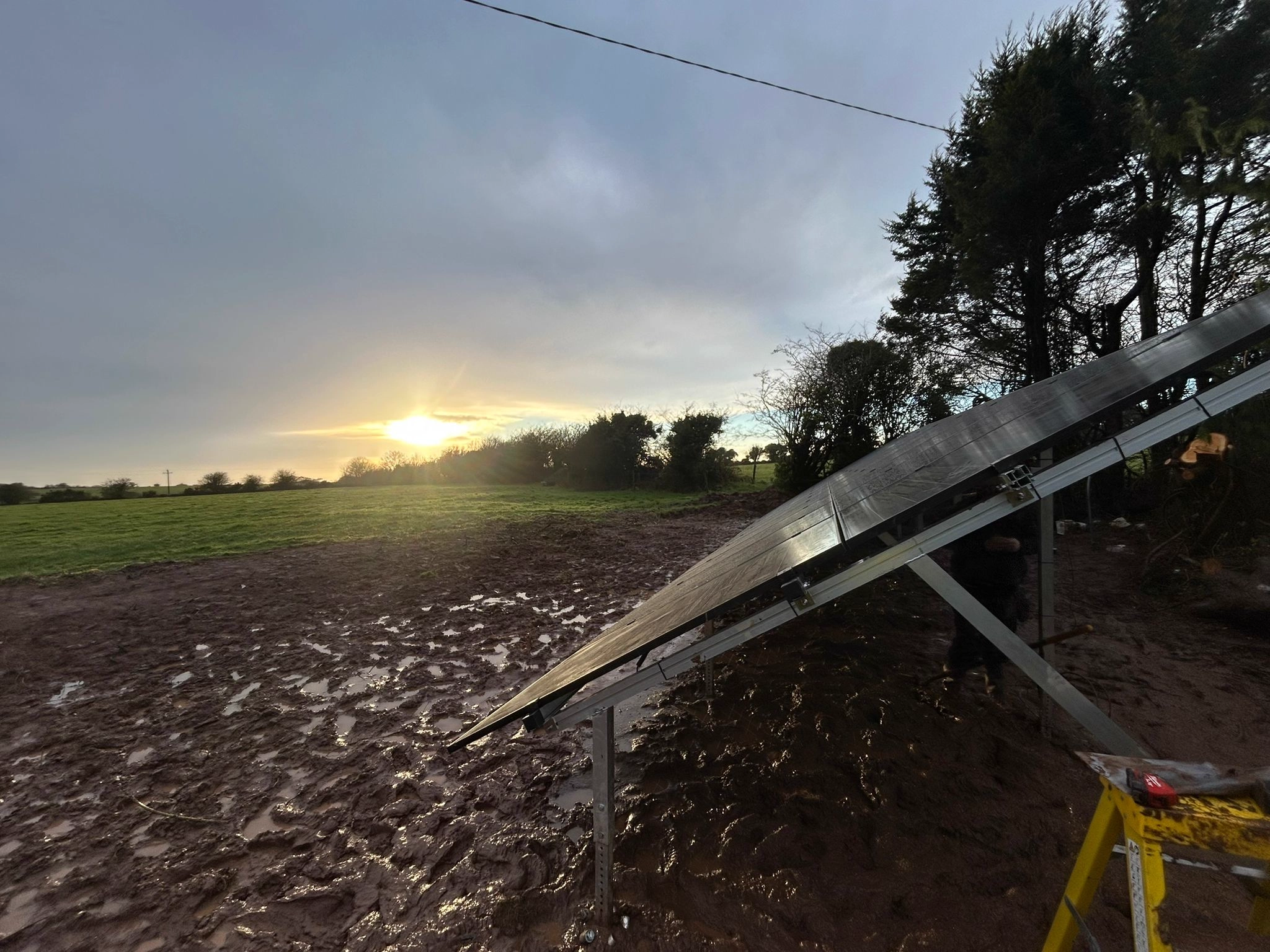
Ground-mounted systems offer alternatives for properties where roof installation isn’t optimal, providing flexibility for challenging roof conditions or specific positioning requirements.
What size solar system do I need for my home?
System sizing depends on household electricity consumption, available roof space and budget considerations. Professional analysis of electricity bills and usage patterns determines optimal system capacity. Most residential installations range from 3-5kW, though larger systems may be suitable for high-consumption households or properties with substantial roof space.
Custom system design ensures optimal balance between initial investment, available space and energy production goals rather than one-size-fits-all approaches.
Installation Process and Timeline
How long does solar panel installation take?
Typical residential installations require 1-2 days for physical installation once preparatory work is complete. However, the entire process from consultation to commissioning usually spans 8-12 weeks, including design, permits, equipment procurement and grid connection approvals.
Pre-installation work may include electrical upgrades, roof modifications, or structural reinforcement to ensure optimal installation conditions. Professional installers handle all preparatory requirements to prevent delays and ensure compliance.
What preparatory work might be required before installation?
Many properties require electrical upgrades to accommodate solar systems safely and efficiently. Common preparatory work includes:
- Consumer unit or distribution board upgrades
- Earthing and bonding improvements
- Electrical compliance corrections
- Structural modifications for optimal panel mounting
Complete end-to-end service providers handle all preparatory work in-house, eliminating coordination challenges and ensuring comprehensive project completion.
Technical and Equipment Questions
What equipment is included in a solar installation?
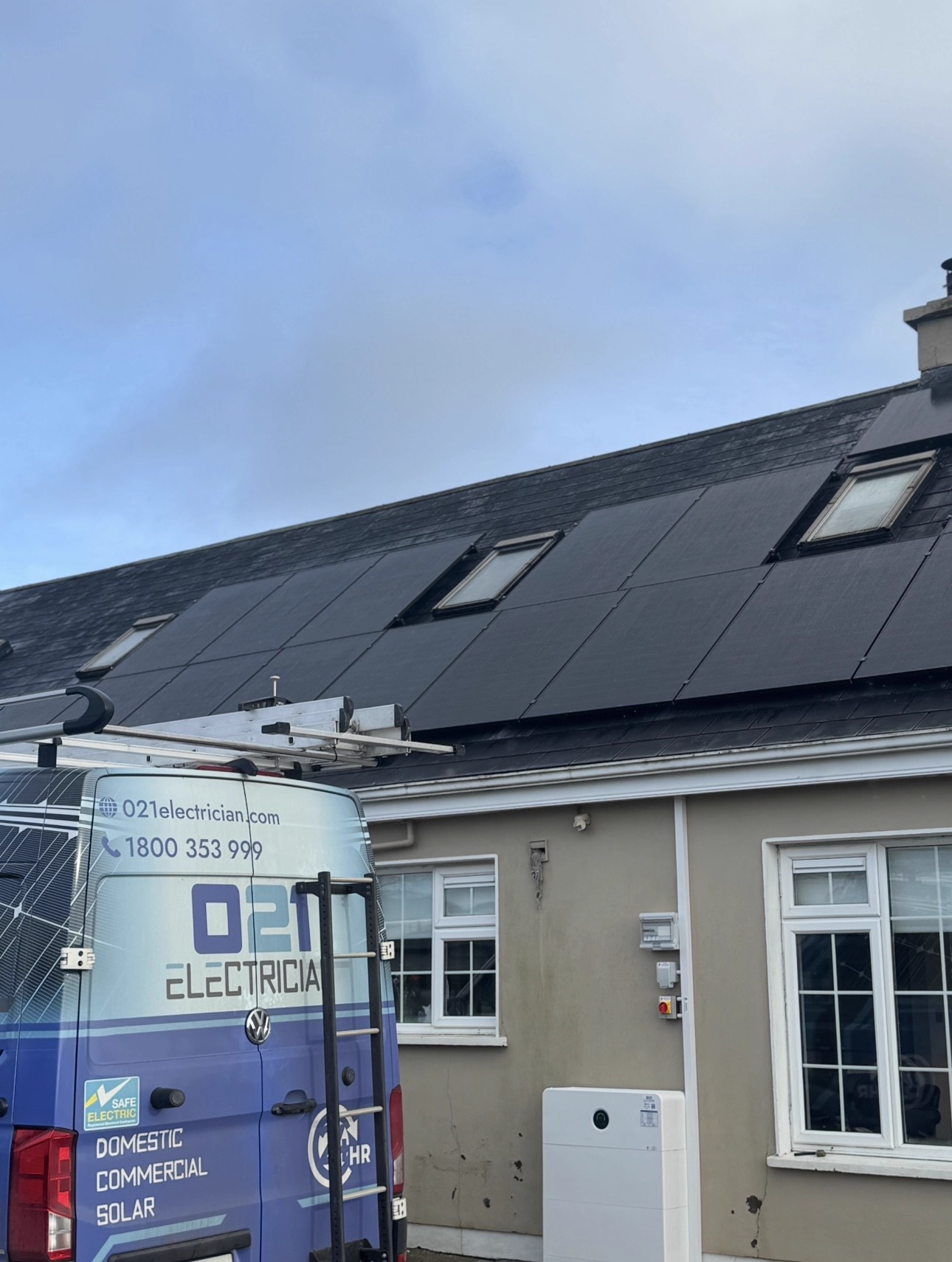
Complete solar systems include solar panels, inverters, mounting hardware, monitoring systems and all necessary electrical components. Quality installations use proven equipment like DAH Solar panels with 30-year warranties and GoodWe inverters with 15-year coverage extendable to 20 years.
Professional installations also include proper electrical isolation, protection systems and grid connection equipment ensuring safety and compliance with Irish electrical standards.
How do I monitor my solar system’s performance?
Modern systems include comprehensive monitoring capabilities allowing real-time performance tracking through smartphone apps or web portals. Monitoring systems track energy production, consumption and export whilst identifying any performance issues requiring attention.
Professional installation includes monitoring setup and training, ensuring homeowners can track system performance and benefits effectively.

What type of property do you have?

Detached House

Semi Detached House
Terraced House

Flat or Apartment
Bungalow
It just takes 60 seconds
And then you can book a free consultation
Financial and Grant Questions
What grants are available for solar panel installation?
SEAI provides grants of up to €1,800 for eligible residential solar PV installations, with the amount based on system size. Professional installers handle all grant applications and documentation, ensuring compliance and maximum available support.
Grant availability and amounts may change based on government budgets and policy updates, making timely application important for maximising financial benefits.
What are typical solar installation costs after grants?
Installation costs vary based on system size, equipment quality and property-specific requirements. After SEAI grants, typical 4kW systems cost €8,000-€12,000 depending on specifications and installation complexity.
Professional quotations provide detailed cost breakdowns including equipment, installation, electrical upgrades and grid connection requirements, ensuring transparent pricing without hidden costs.
Maintenance and Long-term Considerations
What maintenance do solar panels require?
Solar systems require minimal maintenance once properly installed. Regular tasks include:
• Occasional visual inspections for damage or debris
• Periodic cleaning of panel surfaces
• Monitoring system performance for any issues
• Professional service every few years for optimal performance
Quality components with extended warranties minimise maintenance requirements whilst professional installation with 30-year workmanship warranties provides long-term support and reliability.
What happens if solar panels need repairs or replacement?
Comprehensive warranties cover equipment failures and performance issues. DAH Solar panels include 30-year manufacturer warranties whilst GoodWe inverters provide 15-year coverage. Professional installations include 30-year workmanship warranties covering installation-related issues.
Local installers provide ongoing support and service, ensuring prompt resolution of any issues whilst maintaining system performance and reliability throughout operational life.
Grid Connection and Regulatory Questions
How does grid connection work for solar installations?
Grid-tied systems require ESB NC6 applications for official grid connection approval. This process involves technical documentation, safety compliance verification and formal approval before system commissioning.
Professional installers handle all grid connection paperwork and liaising with ESB Networks, ensuring proper documentation and timely approvals without homeowner involvement in complex regulatory processes.
Final Thoughts
Solar panel installation involves numerous considerations from initial assessment through long-term maintenance. Understanding the process, requirements and expectations helps ensure successful installations that provide decades of reliable renewable energy generation.
Professional consultation addresses specific property requirements and individual circumstances, ensuring optimal system design and installation approach.
Have questions about solar panel installation for your property? Contact 021 Solar for comprehensive consultation and answers to your specific questions. Our experienced team provides complete end-to-end solar solutions across Douglas, Carrigaline, Ballincollig, Glanmire and Mallow, using premium DAH Solar panels and GoodWe technology. We handle everything from initial assessment through grid connection with 30-year workmanship warranties, ensuring your solar installation exceeds expectations for decades to come.
Related Articles
What type of property do you have?
Detached House
Semi Detached House
Terraced House
Flat or Apartment
Bungalow
At a glance
Planning and Assessment Questions
How do I know if my property is suitable for solar panels?
Professional site assessment evaluates multiple factors determining solar suitability. Roof orientation, structural integrity, shading patterns and electrical infrastructure all influence system viability and performance. South-facing roofs with minimal shading provide optimal conditions, though east and west-facing installations can also perform well.
Ground-mounted systems offer alternatives for properties where roof installation isn’t optimal, providing flexibility for challenging roof conditions or specific positioning requirements.
What size solar system do I need for my home?
System sizing depends on household electricity consumption, available roof space and budget considerations. Professional analysis of electricity bills and usage patterns determines optimal system capacity. Most residential installations range from 3-5kW, though larger systems may be suitable for high-consumption households or properties with substantial roof space.
Custom system design ensures optimal balance between initial investment, available space and energy production goals rather than one-size-fits-all approaches.
Installation Process and Timeline
How long does solar panel installation take?
Typical residential installations require 1-2 days for physical installation once preparatory work is complete. However, the entire process from consultation to commissioning usually spans 8-12 weeks, including design, permits, equipment procurement and grid connection approvals.
Pre-installation work may include electrical upgrades, roof modifications, or structural reinforcement to ensure optimal installation conditions. Professional installers handle all preparatory requirements to prevent delays and ensure compliance.
What preparatory work might be required before installation?
Many properties require electrical upgrades to accommodate solar systems safely and efficiently. Common preparatory work includes:
- Consumer unit or distribution board upgrades
- Earthing and bonding improvements
- Electrical compliance corrections
- Structural modifications for optimal panel mounting
Complete end-to-end service providers handle all preparatory work in-house, eliminating coordination challenges and ensuring comprehensive project completion.
Technical and Equipment Questions
What equipment is included in a solar installation?
Complete solar systems include solar panels, inverters, mounting hardware, monitoring systems and all necessary electrical components. Quality installations use proven equipment like DAH Solar panels with 30-year warranties and GoodWe inverters with 15-year coverage extendable to 20 years.
Professional installations also include proper electrical isolation, protection systems and grid connection equipment ensuring safety and compliance with Irish electrical standards.
How do I monitor my solar system’s performance?
Modern systems include comprehensive monitoring capabilities allowing real-time performance tracking through smartphone apps or web portals. Monitoring systems track energy production, consumption and export whilst identifying any performance issues requiring attention.
Professional installation includes monitoring setup and training, ensuring homeowners can track system performance and benefits effectively.
What type of property do you have?
Detached House
Semi Detached House
Terraced House
Flat or Apartment
Bungalow
It just takes 60 seconds
And then you can book a free consultation
Financial and Grant Questions
What grants are available for solar panel installation?
SEAI provides grants of up to €1,800 for eligible residential solar PV installations, with the amount based on system size. Professional installers handle all grant applications and documentation, ensuring compliance and maximum available support.
Grant availability and amounts may change based on government budgets and policy updates, making timely application important for maximising financial benefits.
What are typical solar installation costs after grants?
Installation costs vary based on system size, equipment quality and property-specific requirements. After SEAI grants, typical 4kW systems cost €8,000-€12,000 depending on specifications and installation complexity.
Professional quotations provide detailed cost breakdowns including equipment, installation, electrical upgrades and grid connection requirements, ensuring transparent pricing without hidden costs.
Maintenance and Long-term Considerations
What maintenance do solar panels require?
Solar systems require minimal maintenance once properly installed. Regular tasks include:
• Occasional visual inspections for damage or debris
• Periodic cleaning of panel surfaces
• Monitoring system performance for any issues
• Professional service every few years for optimal performance
Quality components with extended warranties minimise maintenance requirements whilst professional installation with 30-year workmanship warranties provides long-term support and reliability.
What happens if solar panels need repairs or replacement?
Comprehensive warranties cover equipment failures and performance issues. DAH Solar panels include 30-year manufacturer warranties whilst GoodWe inverters provide 15-year coverage. Professional installations include 30-year workmanship warranties covering installation-related issues.
Local installers provide ongoing support and service, ensuring prompt resolution of any issues whilst maintaining system performance and reliability throughout operational life.
Grid Connection and Regulatory Questions
How does grid connection work for solar installations?
Grid-tied systems require ESB NC6 applications for official grid connection approval. This process involves technical documentation, safety compliance verification and formal approval before system commissioning.
Professional installers handle all grid connection paperwork and liaising with ESB Networks, ensuring proper documentation and timely approvals without homeowner involvement in complex regulatory processes.
Final Thoughts
Solar panel installation involves numerous considerations from initial assessment through long-term maintenance. Understanding the process, requirements and expectations helps ensure successful installations that provide decades of reliable renewable energy generation.
Professional consultation addresses specific property requirements and individual circumstances, ensuring optimal system design and installation approach.
Have questions about solar panel installation for your property? Contact 021 Solar for comprehensive consultation and answers to your specific questions. Our experienced team provides complete end-to-end solar solutions across Douglas, Carrigaline, Ballincollig, Glanmire and Mallow, using premium DAH Solar panels and GoodWe technology. We handle everything from initial assessment through grid connection with 30-year workmanship warranties, ensuring your solar installation exceeds expectations for decades to come.
Related Articles
What type of property do you have?
Detached House
Semi Detached House
Terraced House
Flat or Apartment
Bungalow